Posted in Uncategorized • 8 minute read
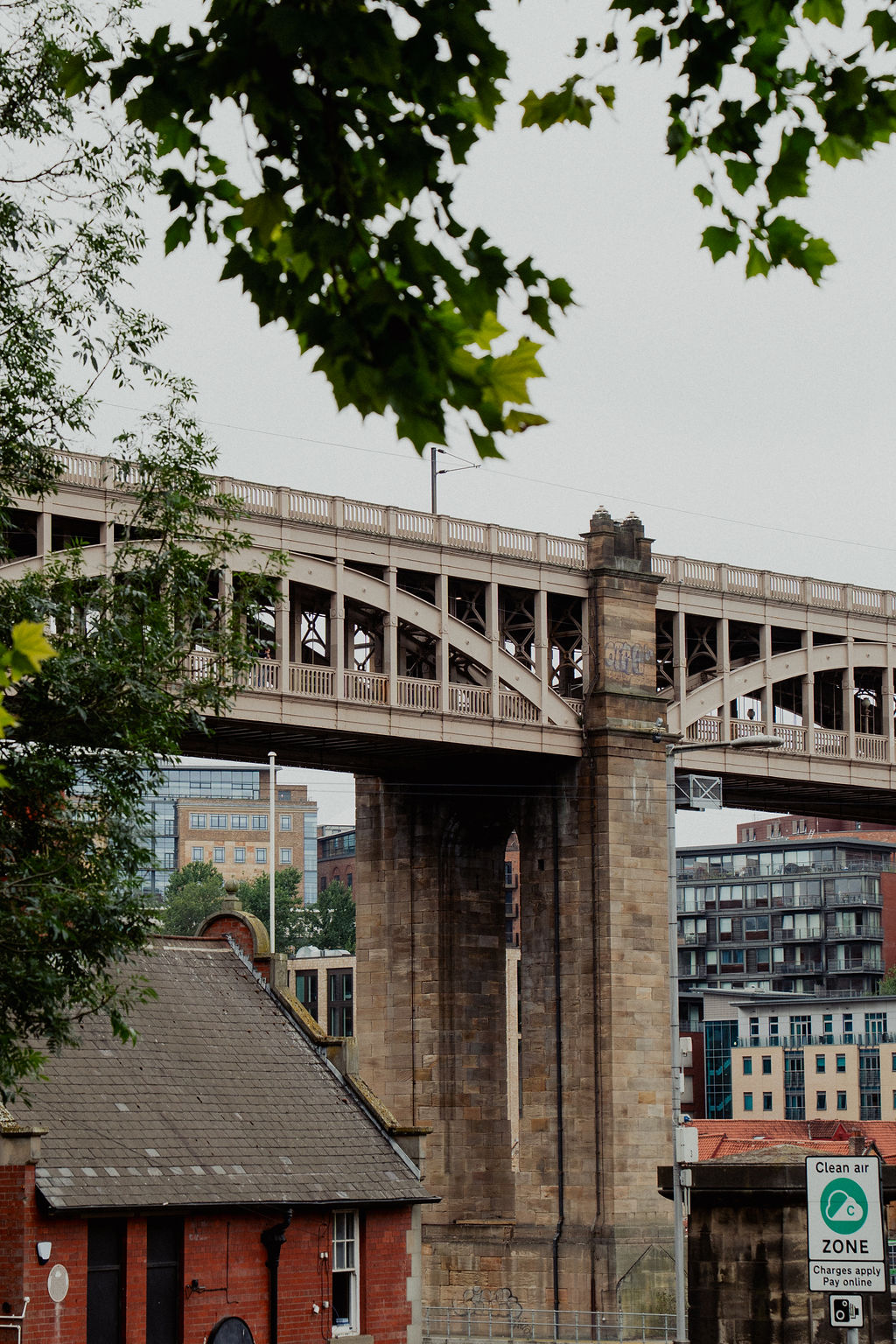
Once, this corner of Gateshead was world-famous for the steam engines made at the Gateshead Works, powering industry across the globe. Today the engines are different. Behind the arches and in former industrial buildings you’ll find tattooists, record dealers, gallery curators, makers and musicians.
What ties past and present together is the act of making. In the 19th century it was pistons and rivets; now it’s ink, vinyl, paint, sound and code. The Railway Quarter pulses with invention — not polished, not packaged, but alive.
Where Ink meets Art
On one side of the Quarter is Mushu Tattoo. In their pared-back studio, ink is laid down in a collaboration between artist and client. Tattoos here aren’t throwaway symbols, it’s visual culture worn on the body, each piece a walking exhibit.
Around the corner, Vane continues a long tradition of Gateshead pushing contemporary art. Established in the late 90s, Vane has become a cornerstone of experimental practice in the North East. Exhibitions span emerging artists and international names, often asking more questions than they answer. Together, Mushu and Vane show two faces of visual culture in the Quarter: the personal and the public, the permanent and the fleeting.
Soundtracks of the Quarter
At 586 Records, the shelves bend with vinyl – obscure 12″s, forgotten pressings, and cult releases. It’s more than a shop; it’s a gathering point for DJs, collectors, and crate-diggers who treat vinyl as living history. Drop by and you might leave with a rare disco cut, or just a new obsession.
Step out and the music continues live. The Central Bar, with its flatiron wedge of a building, hosts gigs upstairs: indie bands, poets, experimental nights. Across the tracks, Station East is equally important, a pub that doubles as a grassroots venue.
Workspaces & Workshops
If the Quarter has a creative backbone, it’s Orbis. A not-for-profit community interest company, Orbis takes unloved buildings and fills them with studios, workshops, and shared spaces for artists, makers, and small businesses.
Tenants range from Ampersand Inventions (part incubator, part experiment lab) to Maker Space, where DIY inventors and tinkerers come together to hack, solder, print, and build. There’s Slow Hand Creative Studio, The Wardrobe with its textile work, and ceramics and printmakers who throw open their doors during events like The Late Shows.
This isn’t window-dressing creativity – it’s work happening in real time. Studios where you can smell the ink drying, see the clay being shaped, hear the whirr of 3D printers alongside the scratch of a pencil. If the Gateshead Works was once about heavy engineering, Orbis is about light-footed experimentation.
From Fringe to World Stage
Not everything in the Quarter hides behind a shutter. Hidden Heights is a studio turned event space where DJs, radio hosts, and performers gather. It’s fringey, informal, and all the better for it – the kind of place where scenes form quietly before anyone outside notices.
And then, visible from almost anywhere in town, there’s The Glasshouse (formerly Sage Gateshead). Its glass curves rise above the Tyne like a signal to the world. Inside, the programme swings from orchestras and jazz to global sounds and cult indie acts. For many, The Glasshouse is the public face of Gateshead creativity – but step back into the Quarter and you see where those ideas start, raw and unpolished.
The Creative Engine
Railway Quarter is an ecosystem. Tattoos, galleries, records, gigs, studios, makers, venues: each part feeds the others. What unites them is independence – a determination to create outside the mainstream, on their own terms.
It’s messy, collaborative, and constantly shifting, just as the industrial works once buzzed with energy and movement. If you want to see what Gateshead is making now – not last year, not last decade – this is where you start.